
mirror aluminium composite panel
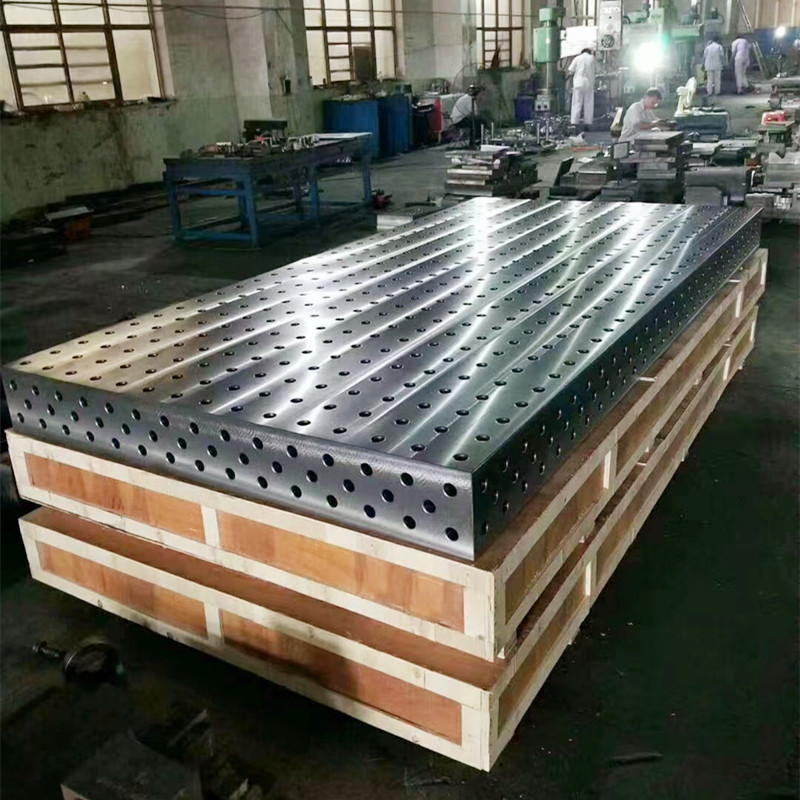
Understanding T-Slot Cast Iron Surface Plates A Comprehensive Guide In the world of precision machining and metrology, T-slot cast iron surface plates are essential tools that contribute significantly to maintaining accuracy and consistency in various manufacturing processes. These plates are designed to provide a stable and flat surface for the assembly, inspection, and alignment of components. Their robust construction, superior durability, and excellent feature set make them indispensable for engineers, machinists, and quality control professionals. What are T-Slot Cast Iron Surface Plates? A T-slot cast iron surface plate is essentially a large flat surface, typically made from high-quality cast iron, featuring elongated recesses or T-slots machined into its surface. These T-slots are designed to accommodate various clamping devices, fixtures, and accessories, making it easier to secure workpieces during measurement or assembly operations. The flexibility of adjusting the fixtures and incorporating different measuring instruments enhances the versatility of these surface plates. Materials and Construction Cast iron is the preferred material for surface plates due to its unique properties. It provides exceptional strength and rigidity, essential for maintaining flatness over time. Additionally, cast iron has excellent vibration dampening characteristics, which is crucial in reducing measurement errors caused by external disturbances. The surface of T-slot plates is typically ground to achieve a high degree of flatness, which is critical for precision work. The flatness is often inspected using a precision straightedge or a surface plate gauge, ensuring that the plate meets the stringent tolerances demanded in various industrial applications. Benefits of T-Slot Design The T-slot feature of these surface plates allows users to easily attach clamps, vises, and other fixtures. This adaptability is particularly beneficial in manufacturing environments where different tasks and workpieces might require varying setup configurations. The ability to rearrange fixtures without the need for additional mounting holes or equipment makes T-slot surface plates incredibly user-friendly. Moreover, the configuration also aids in setting up coordinate measuring machines (CMMs) and other precision instruments. By securely mounting workpieces to the T-slots, operators can achieve accurate measurements and inspections, resulting in high-quality outputs. Applications of T-Slot Cast Iron Surface Plates t slot cast iron surface plate T-slot cast iron surface plates have a broad range of applications across different industries 1. Machining They are utilized as reference surfaces for precision machining, where maintaining flatness and alignment is crucial for producing high-quality components. 2. Inspection When inspecting mechanical parts, surface plates offer a stable base for checking dimensions and tolerances . This is particularly important in quality control processes. 3. Assembly In assembly processes, T-slots provide flexibility for securing parts in place while they are being joined. The ability to customize the setup based on the parts being assembled enhances efficiency. 4. CMM Setup Surface plates serve as a base for coordinate measuring machines, ensuring accurate data collection and measurement of parts. Maintenance and Care To ensure longevity and maintain accuracy, T-slot cast iron surface plates require regular maintenance. It is essential to keep the surface clean and free from debris that can cause scratches or damage. Users should also regularly inspect the flatness of the plate and use precision leveling devices to ensure optimal performance. Rust prevention is another essential aspect of maintenance. Coating the surface with a light oil or using protective covers can prevent moisture ingress, ultimately prolonging the life of the surface plate. Conclusion T-slot cast iron surface plates are indispensable in the realm of precision manufacturing and measurement. Their combination of stability, adaptability, and robustness provides an excellent platform for various applications, from machining to quality inspection. By understanding their features, benefits, and maintenance, users can maximize the utility of these vital tools in their operations, leading to improved efficiency and accuracy in their projects. Whether in a workshop, factory, or laboratory, T-slot cast iron surface plates remain a cornerstone of precision engineering.
about
mirror aluminium composite panel
The Importance of Precision Cast Iron Surface Plates in Manufacturing In the realm of manufacturing and engineering, precision plays a crucial role in ensuring the quality and accuracy of products. One of the essential tools used to achieve this level of precision is the surface plate, particularly those made from cast iron. A precision cast iron surface plate serves as a flat reference surface for measuring and verifying the accuracy of tools, parts, and assemblies. Its significance in manufacturing cannot be overstated, and this article will explore the features, benefits, and applications of precision cast iron surface plates. Features of Precision Cast Iron Surface Plates Precision cast iron surface plates are known for their outstanding stability, durability, and rigidity. The primary material—cast iron—provides not only the necessary weight but also excellent vibration dampening properties. These properties are vital when it comes to minimizing the impact of external disturbances while measuring. The manufacturing process for these plates typically involves advanced casting techniques, which ensure that the surfaces are incredibly flat and free from any imperfections. Moreover, precision surface plates go through a rigorous calibration and finishing process. The surface flatness tolerance is typically expressed in micro-inches, enabling manufacturers to achieve unbelievably accurate measurements. This level of precision is critical in applications where even slight deviations can lead to significant operational issues. Benefits of Using Precision Cast Iron Surface Plates One of the foremost benefits of precision cast iron surface plates is their ability to provide a stable reference point. When performing tasks such as layout work, machining, or inspection, a flat surface ensures that measurements taken are accurate and consistent . This reliability is paramount for industries where precision engineering is crucial, including aerospace, automotive, and medical device manufacturing. precision cast iron surface plate Another key advantage is the longevity of cast iron surface plates. With proper care and maintenance, these plates can last for decades. Their durability means less frequent replacements and repairs, translating to cost savings for manufacturing operations. Additionally, cast iron’s natural anti-corrosive properties also enhance the longevity of these plates, making them suitable for various environmental conditions. Applications in Various Industries Precision cast iron surface plates are utilized across a wide array of industries. In the automotive sector, these plates are often employed in the assembly and calibration of engine components, ensuring that every part fits correctly. Similarly, in aerospace, where safety and reliability are paramount, precision surface plates are crucial for the production of flight-critical components. Furthermore, in the field of metrology, precision surface plates serve as the foundation for various measuring instruments such as height gauges, dial indicators, and coordinate measuring machines (CMMs). These applications highlight the versatility of precision cast iron surface plates, making them indispensable in quality control and assurance processes. Conclusion In conclusion, precision cast iron surface plates are vital tools in the manufacturing and engineering sectors. Their unique features, such as exceptional stability and durability, coupled with their extensive range of applications, underscore their importance in achieving accuracy and quality in production processes. As industries continue to evolve and the demand for precision increases, the role of precision cast iron surface plates will only become more critical. Investing in high-quality surface plates not only facilitates accurate measurements but also contributes to the overall efficiency and reliability of manufacturing operations.
-

High quality industrial productsagement

High quality industrial products
View Details -

Meet the diverse needs of customers

Meet the diverse needs of customers
View Details -

Strict quality control

Strict quality control
View Details -

Top raw materials

Top raw materials
View Details -

Trusted supplier

Trusted supplier
View Details
Our application

news and information

Vannventil for kontroll av vannstrøm og trykkregulering
Vannventilens Rolle i Vannfordeling Vann er en av de mest essensielle ressursene på jorden, og forva
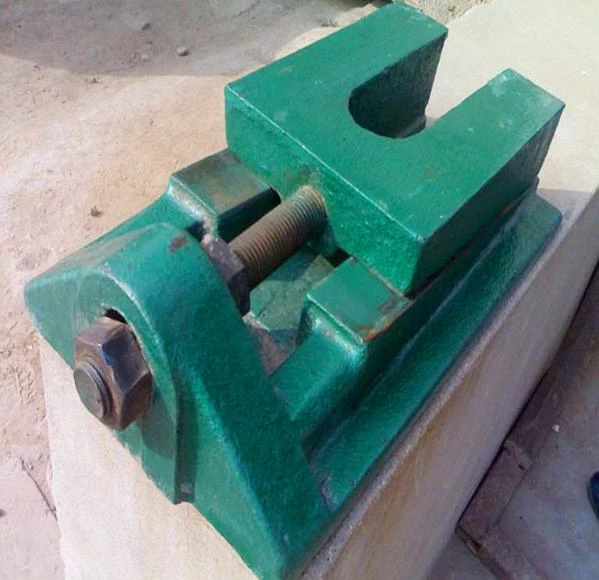
Wood Frame Truss Nail Plate Solutions _ Durable & Reliable Truss Connectors
Wood Frame Truss Nail Plate An Essential Component in Construction Wood frame trusses are a vital co
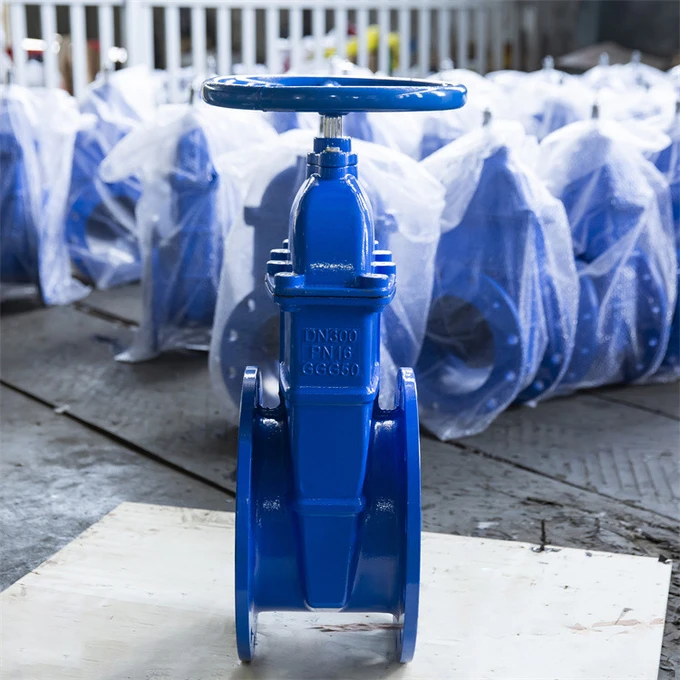
Valvola di ritegno di mezzo pollice
Valvole di controllo da mezzo pollice Funzioni e applicazioni Le valvole di controllo da mezzo polli
 English